Our Faculty
Meet the principal investigators and professors driving robotics research at the VU Amsterdam.

Dr. Maryam Alimardani
Associate Professor
Brain-Computer Interfaces
Brain-Robot Interfacing
Human-Robot Interaction
My research in Neuroadaptive Human-Robot Interaction and Brain-Computer Interfaces bridges neuroscience and robotics to explore how human brain signals can empower adaptive artificial systems. Based at Vrije Universiteit Amsterdam and Hiroshi Ishiguro Laboratories, I investigate the use of EEG and cognitive state monitoring to create neuroadaptive technologies. By directly linking neural activity with machine behavior, I aim to enable robots and virtual agents to dynamically measure and respond to human engagement, attention, and mental states in real time-fostering more seamless, intuitive, and responsive human-machine collaboration.
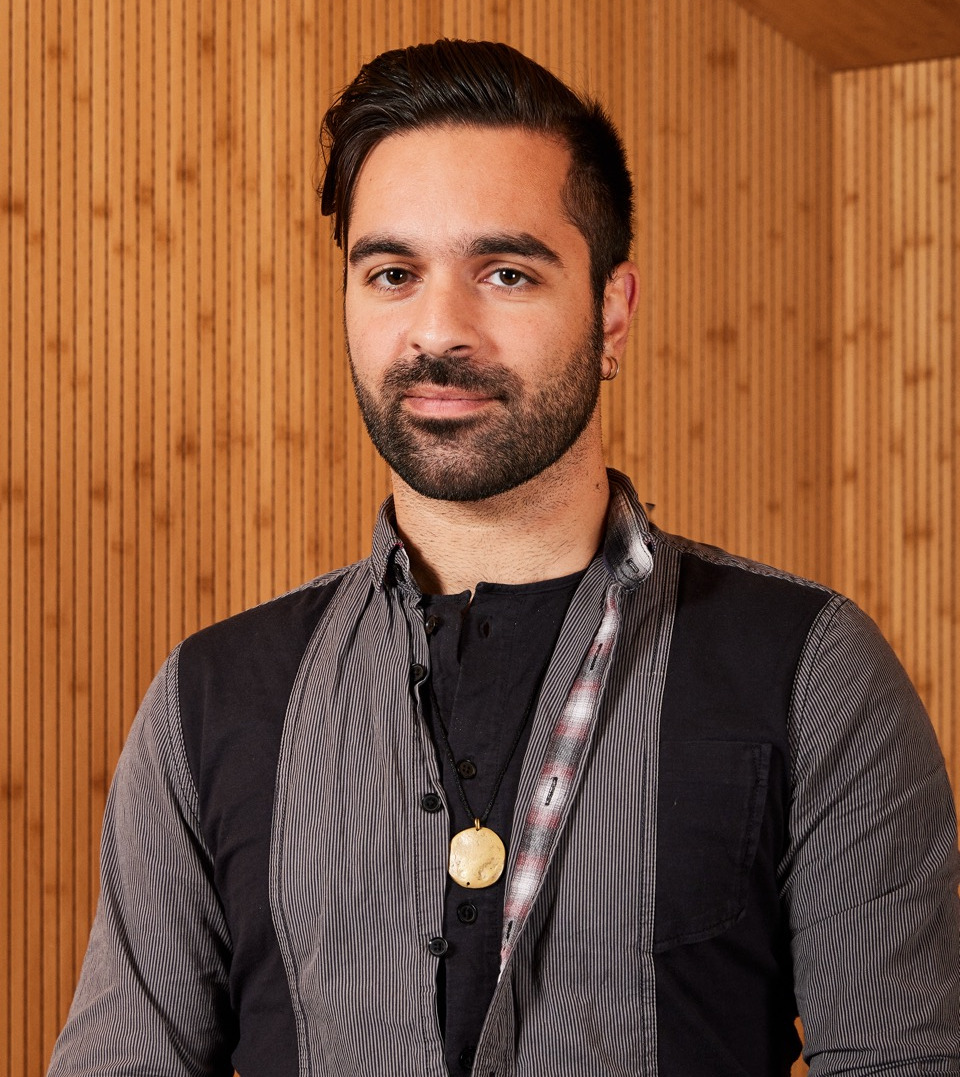
Dr. Kim Baraka
Assistant Professor
Human-robot Interaction
Robot Learning
My research lies at the intersection of Artificial Intelligence (AI) and Human-Robot Interaction (HRI). I am broadly interested in teaching/learning interactions that occur between human(s) and robot(s). My long-term vision is to develop the next generation of human-centered robots that can safely, efficiently and adaptively learn from rich interactions with humans. In my research I borrow methods from a variety of fields including computer science, engineering, psychology, interaction design, and dance. My key value as a researcher is to ensure we develop systems that foster mutually beneficial human-robot relationships.
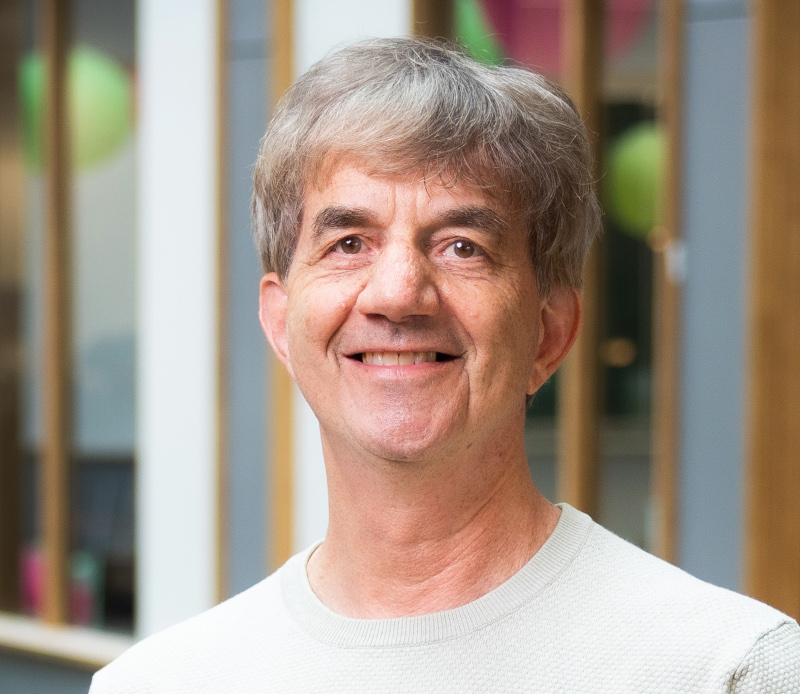
Prof. Guszti Eiben
Professor
Computational Intelligence
Evolutionary Robotics
My research lies in the field of Artificial Intelligence, Artificial Life, Adaptive Collective Systems. My approach to AI is based on Evolutionary Computing. Throughout my carreer I worked on a diverse set of topics from theoretical foundations to artificial societies, multi-sexual reproduction, and applications in health, finance, and traffic management.
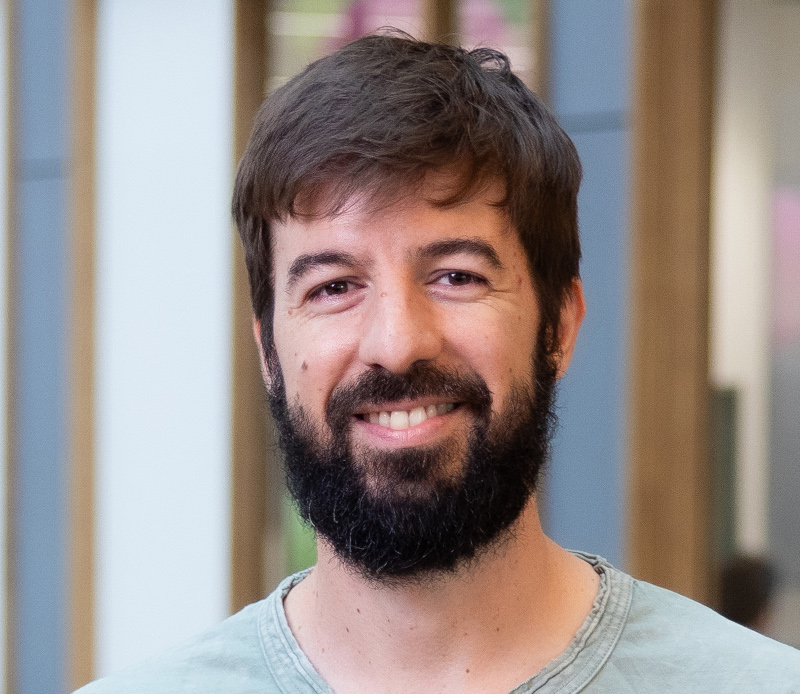
Dr. Ilias Gerostathopoulos
Assistant Professor
Software Engineering
Robotics
I am interested in software engineering and software architecture in the domains of self-adaptive and cyber-physical systems. My goal is to develop new methods and practical tools for engineering software systems that are large, distributed, and embedded in the physical world.
I particularly like to investigate topics in data-driven software engineering (using statistical methods), data analytics, architecture-based self-adaptation, and component-based software development.
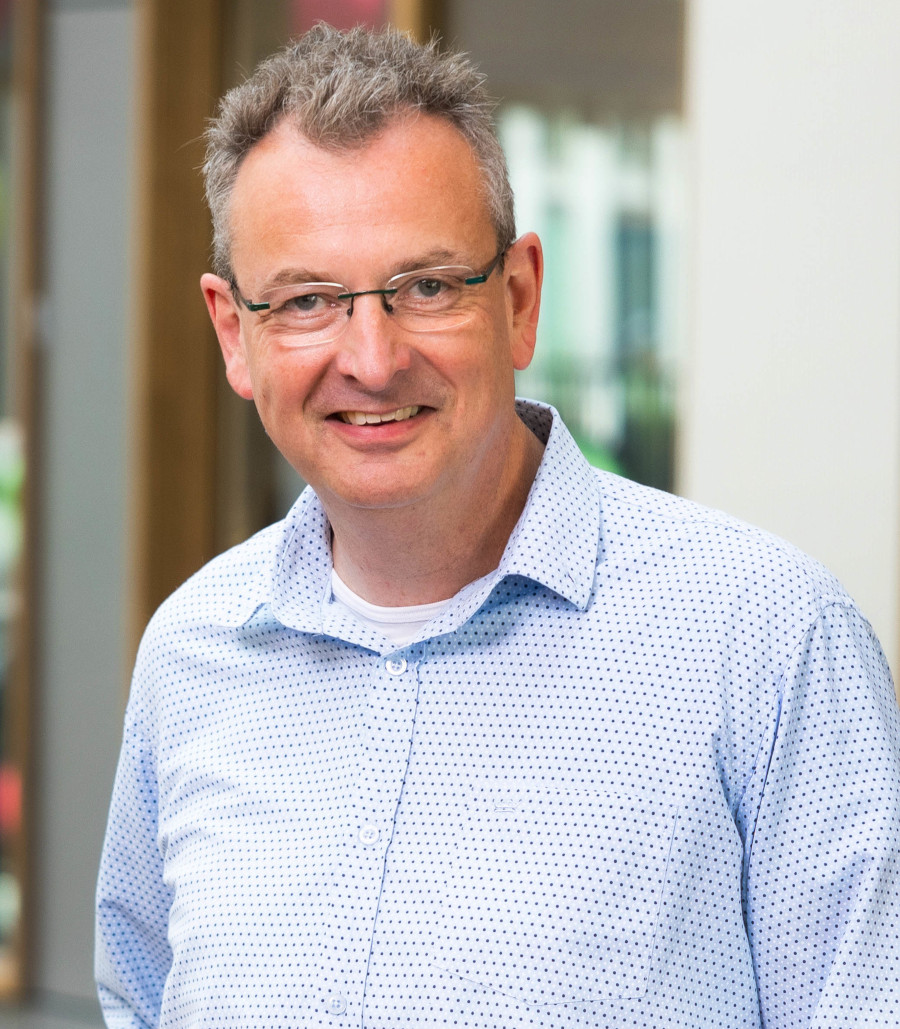
Prof. Koen Hindriks
Professor
Social AI
Social Robotics
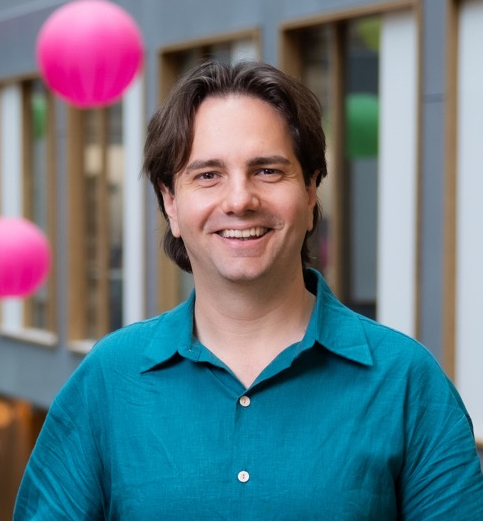
Koen Hindriks is Professor of Social Artificial Intelligence at Vrije Universiteit Amsterdam and head of the Social AI Lab (SAIL). His research focuses on Social AI: conversational agents, social robots, and other AI systems that interact with people in natural, meaningful, and responsible ways. Combining artificial intelligence with insights from psychology and cognitive science, he develops trustworthy, human-centred AI systems that genuinely support people.
His research includes applications in education, healthcare, and retail. A distinctive aspect of his work is the evaluation of Social AI in real-world settings, for example by deploying social robots as shopping assistants that help customers make informed purchasing decisions. He is also researching conversational AI for mental health, investigating how AI can support reflection, behaviour change, and psychological well-being.
Dr. Filip Ilievski
Assistant Professor
Human-Centric AI
Common Sense AI
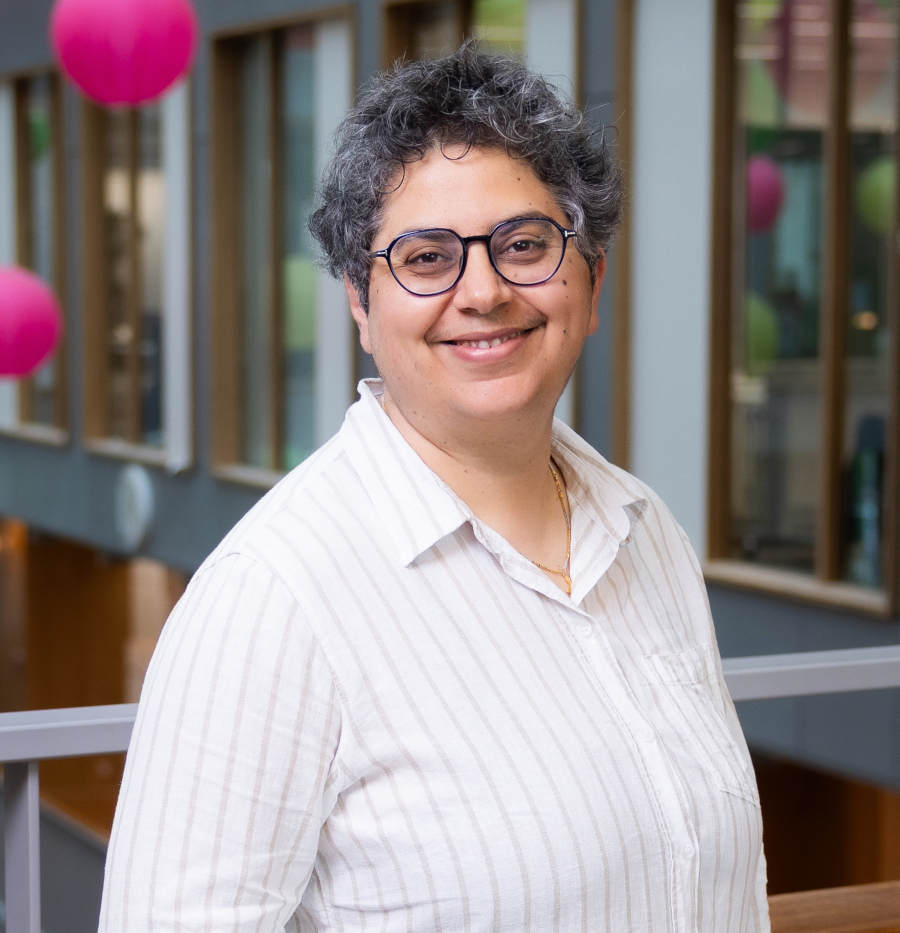
Filip and his team investigate how to transform the development of human-centric AI with common sense to ultimately support social good applications. They conduct fundamental research on commonsense reasoning, multimodality, and analogy, and investigate the societal impact of commonsense AI on online social safety. Assistive robots have growing potential to support physical wellbeing in home and healthcare settings, for example, by guiding users through stretching or rehabilitation routines. However, existing systems remain largely scripted, which limits their ability to adapt to user state, environmental context, and interaction dynamics.
Dr. Yara Khaluf
Associate Professor
Collective intelligence
Swarm Robotics
Hybrid Societies
Computational Modeling
My research centers on collective intelligence, swarm robotics, decision-making in multi-agent systems, and mathematical modeling. I am fascinated by how large groups of relatively simple agents—whether robots or natural systems—can coordinate to solve complex tasks and exhibit emergent collective behaviors. By developing models and theoretical frameworks, I aim to uncover the principles that drive these processes, and in doing so, contribute to both the foundations of collective intelligence and its real-world applications.
Dr. Mike Ligthart
Assistant Professor
Social AI
Social Robotics
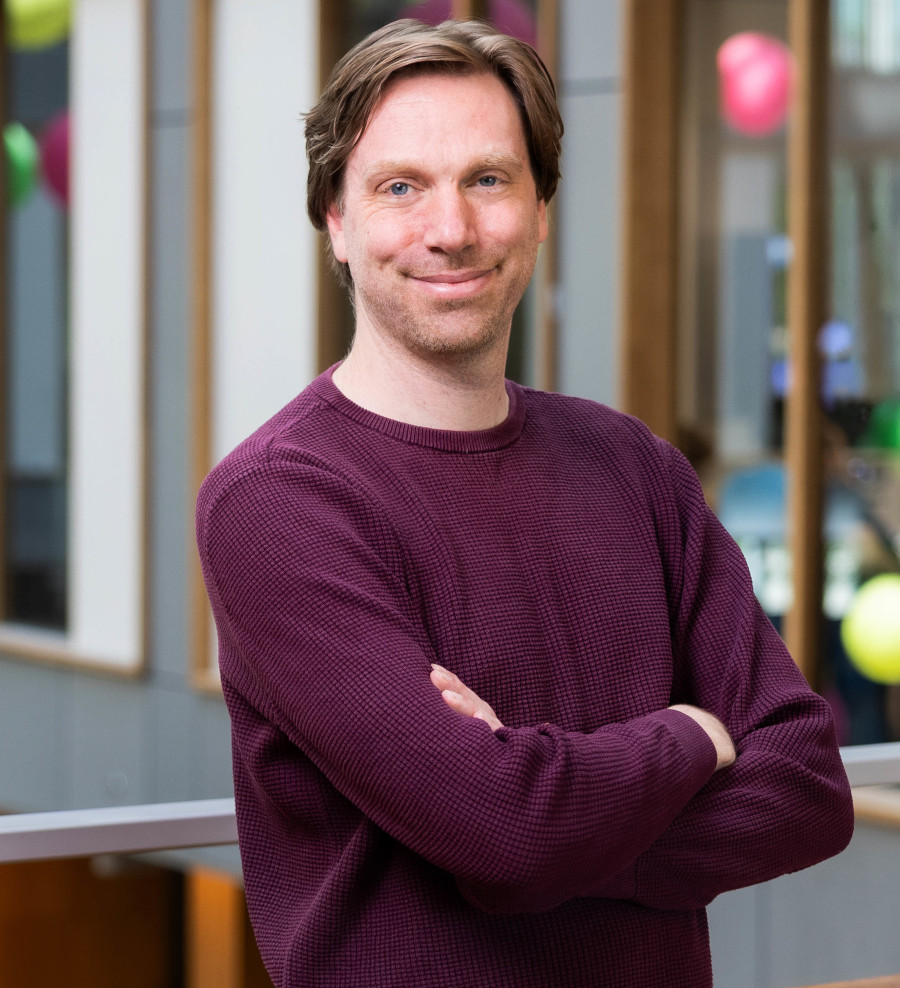
Mike Ligthart is an assistant professor in the Social AI research group at Vrije Universiteit Amsterdam. His research develops social robots that interact meaningfully with people over longer periods of time, and he works most closely with children and the adults who support them. Together with children, hospitals, schools, and libraries, he has co-developed robots that support children through invasive medical procedures, offer personalised mathematics education, and hold richer conversations about books to stimulate reading motivation. A second line of his work concerns people living with dementia and their caregivers, asking how a robot can act as a catalyst for social contact between someone with dementia and the people around them.
Dr. Kevin Sebastian Luck
Assistant Professor
Robot Learning
Deep Learning
Robot Co-Design
Reinforcement Learning
World Models
Foundation Models
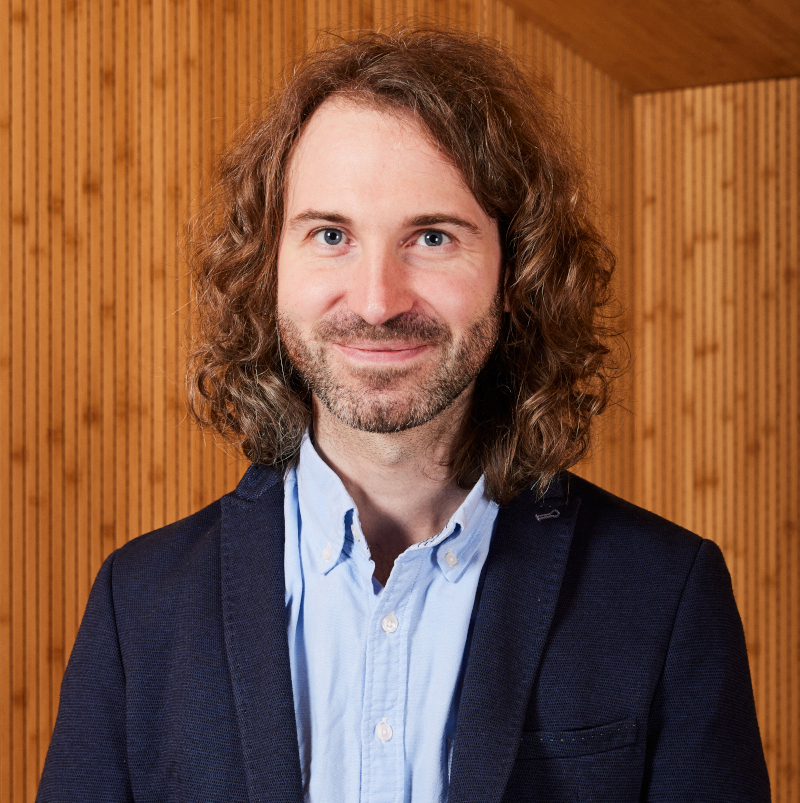
I am an Assistant Professor at Vrije Universiteit Amsterdam, where I lead a team of researchers dedicated to advancing the field of robot learning. My work explores a broad spectrum of topics within deep learning and general robot learning, including the development of world models for continuous control and novel approaches to policy synthesis. A particular area of passion for me is combining deep reinforcement learning with evolutionary principles for achieving generative robot design and behaviour learning. By developing AI-assisted design methodologies and advancing physical and embodied intelligence, our team investigates how to allow robots to dynamically co-adapt both their behavior and morphology.
Dr. Ivano Malavolta
Associate Professor
Software Engineering
Robotics
Energy-Efficiency
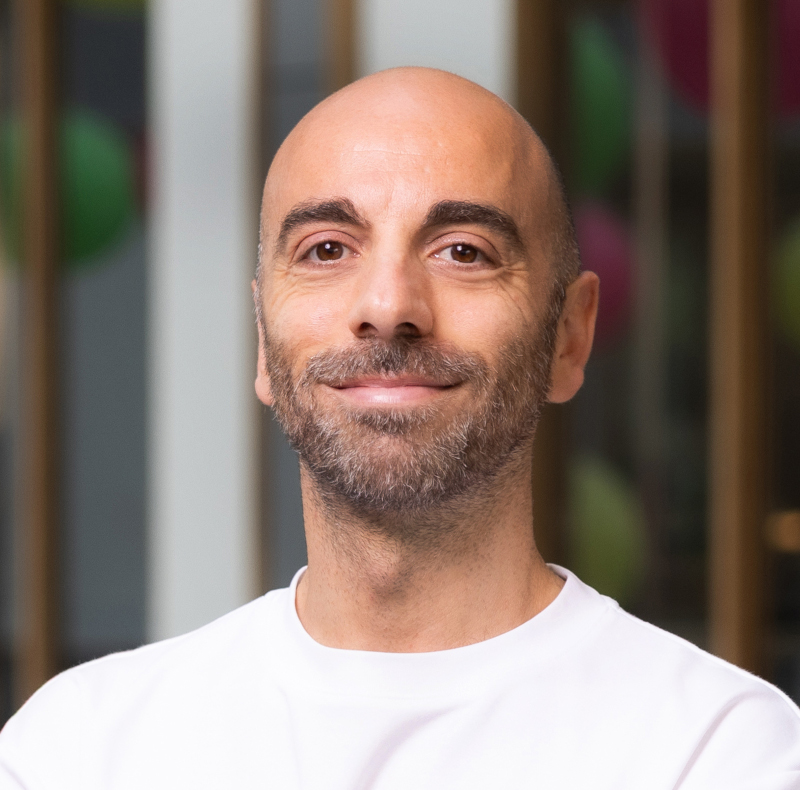
My research focuses on software engineering, with a special emphasis on Green software and software architecture. I apply empirical methods to extract best software engineering practices for developing energy-efficient robotics software. I am the founder of the RoSE workshop series on Robotics Software Engineering (co-located with ICRA and ICSE) and area editor of robotics journals for software engineering submissions.
Dr. Mauricio Verano Merino
Assistant Professor
Software Engineering
Programming environments
Creative coding & machines
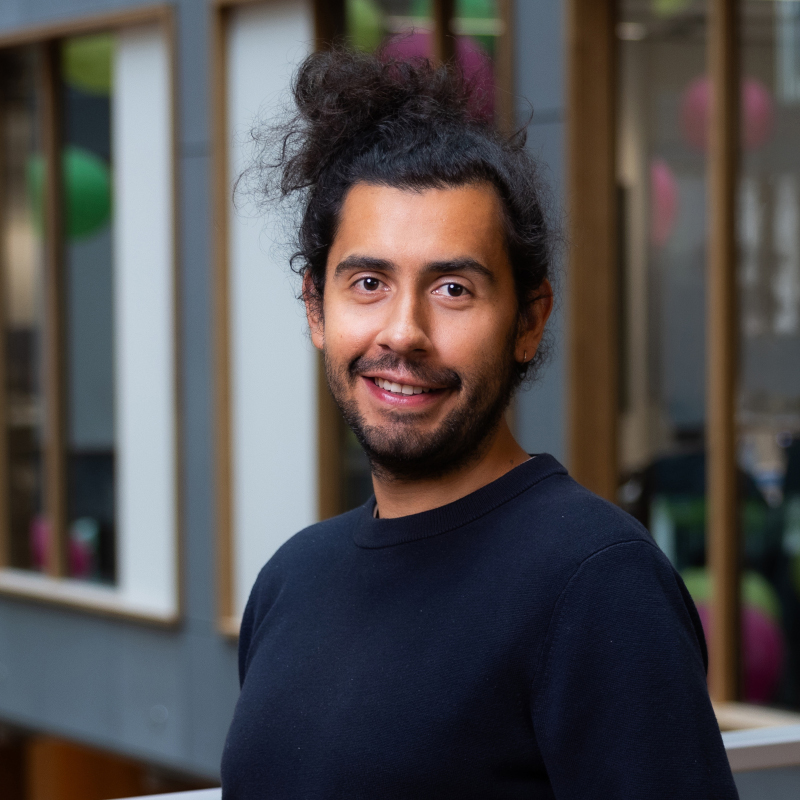
My research operates at the intersection of Software Engineering (SE) and Human-Computer Interaction (HCI), focusing on end-user programming, domain-specific languages, and environments for creative computing. I design interactive systems, programming environments, and tailored programming abstractions that empower traditional and non-traditional developers to express complex ideas through code. Beyond creation, my work investigates the analysis and long-term maintenance of software-based projects, ensuring that domain-specific tools and creative codebases remain robust, readable, and sustainable over time.
Dr. Karine Miras
Assistant Professor
Artificial Life
Evolutionary Robotics
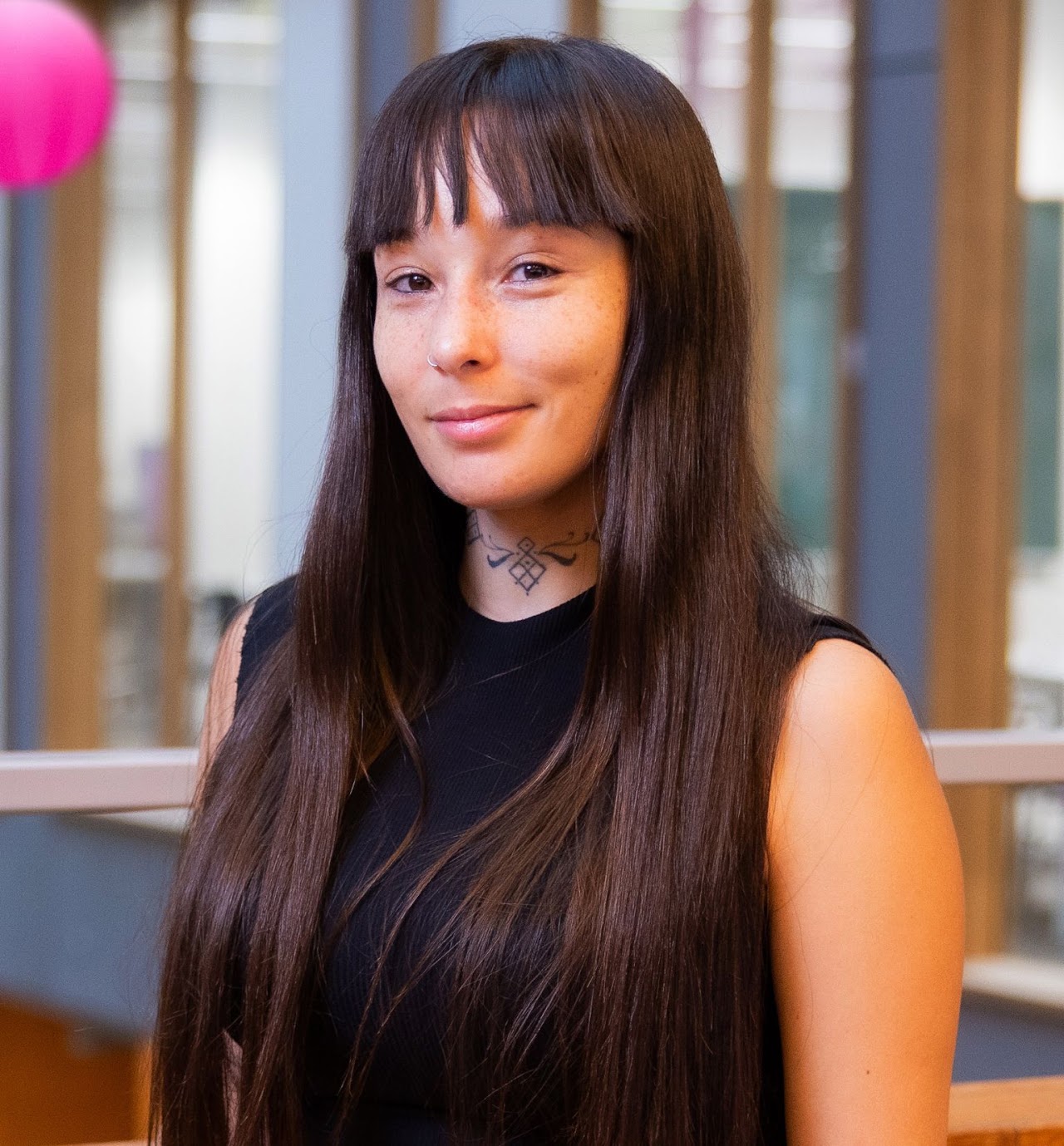
My research is at the intersection of Evolutionary Robotics and Artificial Life, with the goal of advancing robot autonomous systems but also deepening our understanding of biological evolution. At the core of my work is exploring how environments shape the traits of evolving organisms, and how developmental processes can be embedded directly into the genetic representations of artificial life forms.
Some of the topics I’m interested on are embodied intelligence, environmental influences and environmental regulation, phenotypic plasticity, evo-devo, and gene expression.
Dr. Natalia Silvis-Cividjian
Assistant Professor
Smart Systems engineering
Systems testing
Autonomous driving
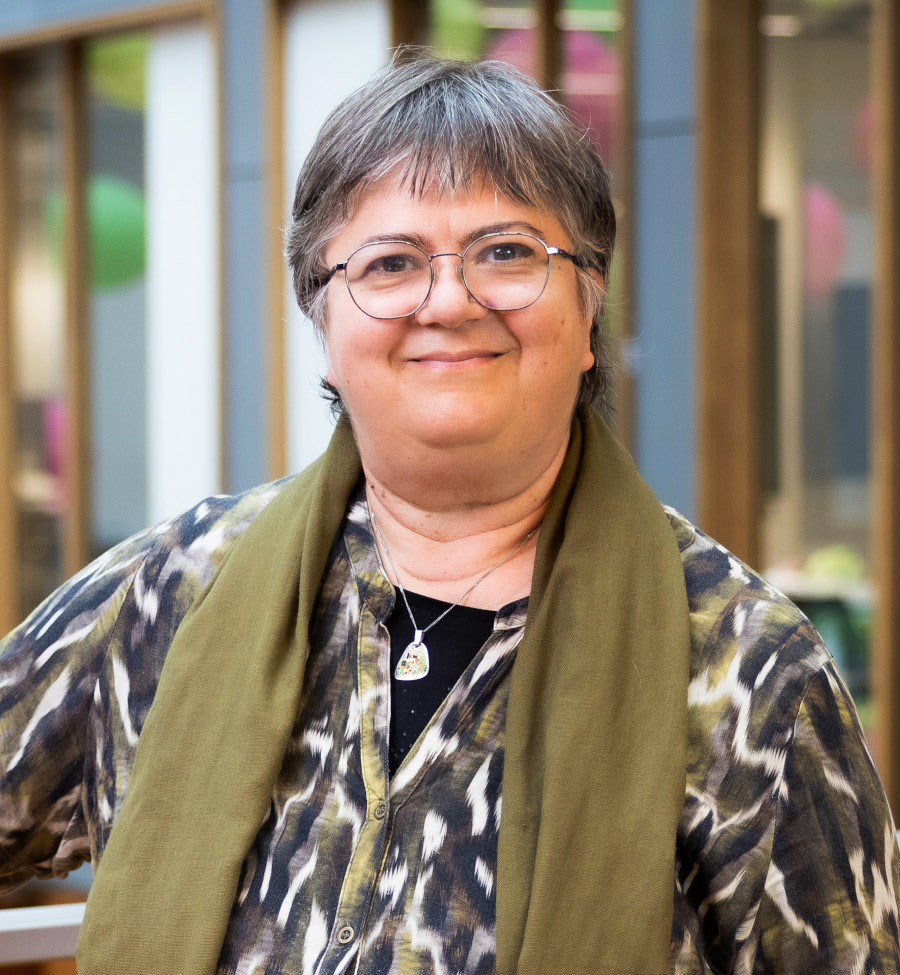
I have been working at the VU since 2002. I like to design teaching material that guides students’ first steps in building miniature smart systems like self-driving cars that recognize traffic signs and lights or social robots that recognize speech or even emotions. I am researching how to teach students not only how to program these robotic systems, but how to optimize them and test them to ensure that they are safe and will not harm people. I do this by applying a modern, systems-theoretic method for safety analysis. Our VU-rover reached perfection and won the 2024 car race student competition organized by NXP in Hamburg. We work a lot in collaboration with the VU Beta electronics and mechanics groups and create beautiful robotic products. Together we obtained in 2026 the Education Impact Award from the Faculty of Science. We are presenting our results at conferences on computer science and software engineering education.
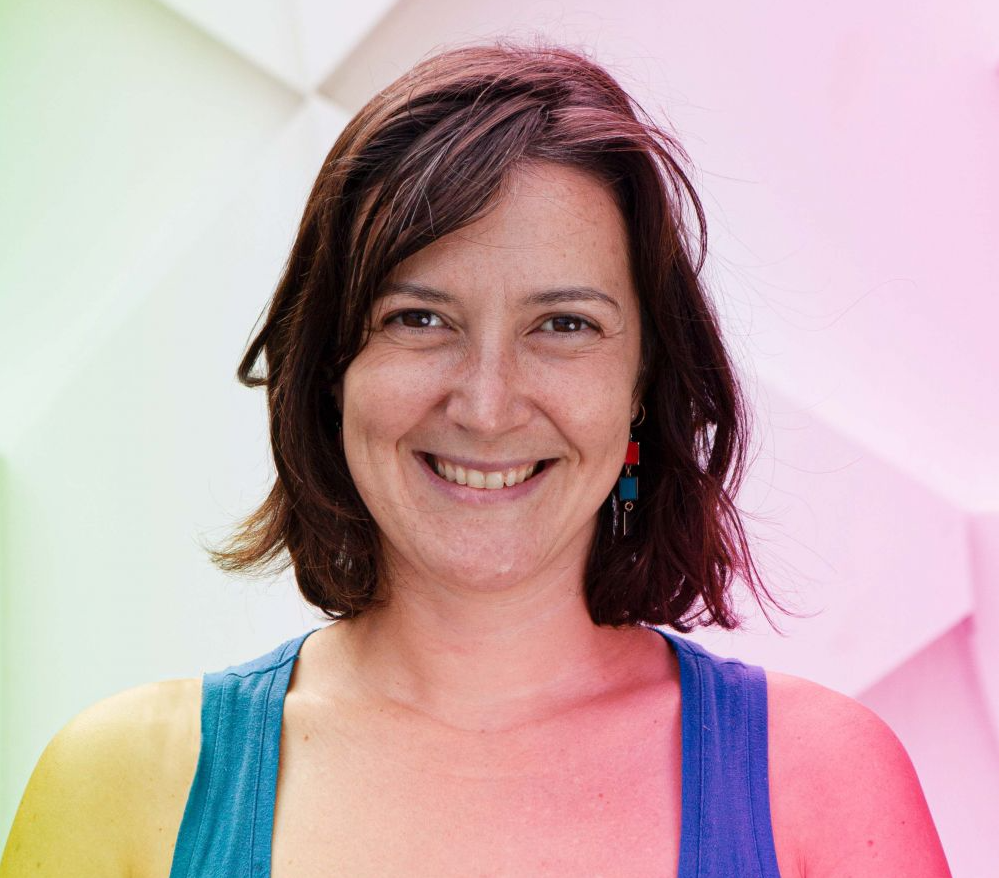
Dr. Ilaria Tiddi
Assistant Professor
Cognitive Robotics
I am an Assistant Professor in Hybrid Intelligence at the Vrije Universiteit Amsterdam (Knowledge In AI group).
My research focuses on creating systems that generate complex narratives through a combination of machine learning, semantic technologies, open data and cognitive theories, mostly applied in e-Science and robotics scenarios.